
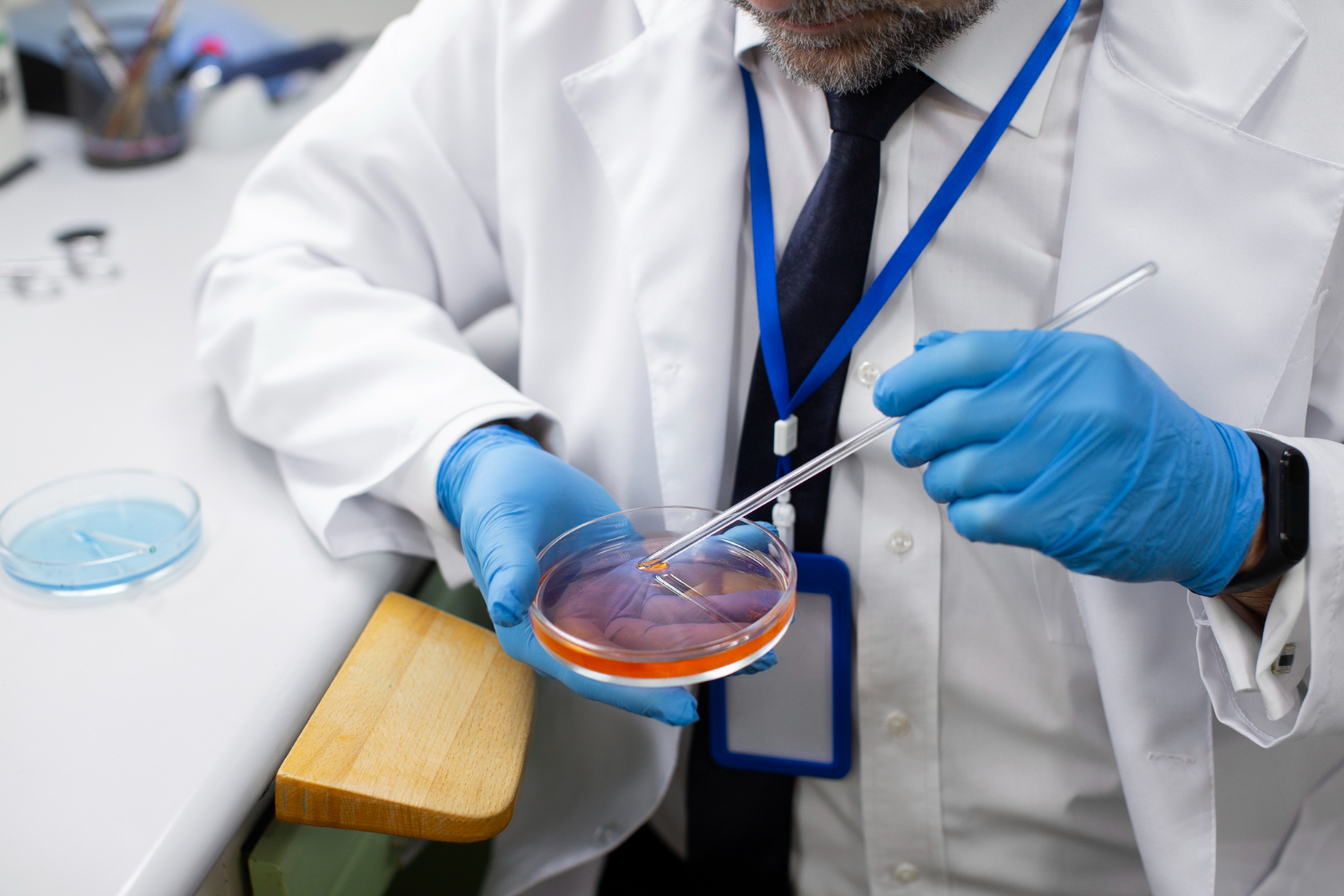
Kidney Failure Stem Cell Transplant: A Revolutionary Approach to Kidney Health
Kidney failure is a life-altering condition that affects millions worldwide. Traditional treatments such as dialysis and kidney transplants have provided hope to many patients, but they come with limitations. In recent years, Kidney Failure Stem Cell Transplant has emerged as a promising alternative, offering the potential to repair damaged kidney tissue and improve overall renal function.
Understanding Kidney Failure
Kidney failure, also known as renal failure, occurs when the kidneys lose their ability to filter waste products from the blood effectively. This condition can develop gradually (chronic kidney disease) or suddenly (acute kidney injury). Common symptoms include fatigue, swelling, high blood pressure, and difficulty concentrating. If untreated, kidney failure can lead to life-threatening complications, emphasizing the need for innovative treatment approaches.
Conventional Treatments and Their Limitations
Traditionally, kidney failure has been managed through:
-
Dialysis: This method performs the filtering functions of the kidneys artificially. While dialysis sustains life, it cannot restore natural kidney function. Patients often experience fatigue, dietary restrictions, and frequent hospital visits.
-
Kidney Transplant: A kidney transplant can offer a more permanent solution. However, donor availability, the risk of organ rejection, and lifelong immunosuppressive medication present significant challenges.
These limitations have fueled research into regenerative medicine, particularly stem cell-based therapies, as a potential breakthrough.
What is Stem Cell Therapy?
Stem cells are unique cells capable of developing into various specialized cell types. They have the remarkable ability to regenerate damaged tissues and organs. In the context of kidney failure, stem cells can potentially:
-
Repair damaged kidney tissue
-
Reduce inflammation
-
Promote the growth of new, healthy kidney cells
By harnessing these properties, medical experts aim to restore kidney function without the complications associated with conventional treatments.
How Kidney Failure Stem Cell Transplant Works
A kidney failure stem cell transplant involves the introduction of stem cells into the patient’s body, either intravenously or directly into the kidneys. The stem cells migrate to the damaged areas and begin the process of tissue repair and regeneration. The procedure typically involves the following steps:
-
Patient Evaluation: Detailed assessment of kidney function, overall health, and suitability for stem cell therapy.
-
Stem Cell Collection: Stem cells may be sourced from the patient (autologous) or a donor (allogeneic).
-
Cell Processing: The collected cells are processed and purified in a laboratory to ensure safety and efficacy.
-
Transplant Procedure: Stem cells are administered under controlled medical conditions.
-
Monitoring and Follow-Up: Continuous monitoring to track kidney function improvement and detect any potential complications.
Benefits of Kidney Failure Stem Cell Transplant
Stem cell therapy offers several advantages over conventional treatments:
-
Regeneration of Kidney Tissue: Unlike dialysis, stem cells work to repair the damaged kidneys, potentially restoring natural kidney function.
-
Reduced Dependence on Dialysis: Patients may experience improved kidney performance, reducing the frequency or need for dialysis sessions.
-
Lower Risk of Rejection: Autologous stem cells (from the patient’s own body) minimize the risk of immune rejection compared to traditional organ transplants.
-
Fewer Side Effects: Stem cell therapy is generally well-tolerated, with minimal adverse effects reported.
Who Can Benefit from Stem Cell Transplant for Kidney Failure?
Stem cell therapy may be suitable for patients with:
-
Chronic kidney disease (CKD) stages 3-5
-
Acute kidney injury that has not responded to conventional treatment
-
Limitations or contraindications for traditional kidney transplant
-
Desire for alternative regenerative treatment options
It is essential to consult with a specialized nephrologist or stem cell therapy expert to determine eligibility.
Research and Evidence Supporting Stem Cell Therapy
Several clinical studies and trials have demonstrated the potential of stem cells in treating kidney failure. Research indicates that stem cells can improve kidney function, reduce proteinuria (protein in urine), and promote tissue regeneration. While ongoing studies continue to refine treatment protocols, early results are promising, suggesting that stem cell transplant could become a mainstream therapy in the near future.
Risks and Considerations
Although stem cell therapy offers significant potential, it is not without risks:
-
Possibility of infection during the procedure
-
Limited long-term data on outcomes
-
Requirement for careful patient selection
-
Cost considerations, as stem cell therapy can be expensive
Patients must weigh the benefits against potential risks and consult with qualified medical professionals.
Future of Kidney Failure Treatment
The future of kidney failure management is shifting towards regenerative medicine. Stem cell research continues to advance, with new techniques being developed to enhance the safety, efficacy, and accessibility of therapy. Innovations such as bioengineered kidneys, stem cell-derived organoids, and gene-edited stem cells are poised to transform treatment paradigms and improve quality of life for patients.
Conclusion
A kidney failure stem cell transplant represents a revolutionary approach to managing kidney disease. By focusing on tissue regeneration rather than just symptom management, stem cell therapy offers hope for patients seeking alternatives to dialysis and conventional kidney transplants. While further research is needed to establish standardized protocols and long-term outcomes, the progress in regenerative medicine is paving the way for a future where kidney failure may no longer be a life sentence.